
Running Google Ads for your beauty or health eCommerce store? Before you spend a single dollar, you need to understand the complex web of policies that could get your ads disapproved—or worse, your account suspended. This comprehensive guide walks you through everything you need to know to stay compliant and profitable.
The beauty and health industry represents one of the fastest-growing segments in eCommerce, with the global beauty market projected to reach $758 billion by 2025. Google Ads remains the most effective channel for reaching customers actively searching for beauty and health products. But here’s the challenge: this industry faces some of the strictest advertising policies on the platform.
Whether you’re selling skincare serums, organic supplements, makeup products, or wellness devices, understanding Google’s advertising policies isn’t optional—it’s essential for survival. One policy violation can result in ad disapprovals, account warnings, or permanent suspension.
Why Google Ads Policies Matter More for Beauty and Health
Google applies heightened scrutiny to beauty and health advertisers for several important reasons:
- Consumer Safety: False health claims can lead to real harm when people make healthcare decisions based on misleading advertising
- Regulatory Compliance: Google must ensure advertisers comply with FDA, FTC, and international regulations
- User Trust: Protecting users from scams and fraudulent products maintains the integrity of the advertising ecosystem
- Legal Liability: Google faces potential legal exposure from facilitating misleading health-related advertising
The result? A complex policy framework that every beauty and health advertiser must navigate carefully. Let’s break it down systematically.
Part 1: Website Requirements Checklist
Before you even think about creating your first ad, your website must meet Google’s baseline requirements. Missing any of these elements can result in immediate disapproval.
Essential Legal Pages
Every eCommerce website running Google Ads needs these pages, prominently linked in the footer. If you’re using WordPress, consider using a legal compliance platform like WPLP to generate these pages automatically:
| Page | Why It’s Required | Key Elements |
|---|---|---|
| Privacy Policy | Required by law and Google policy | Data collection practices, cookie usage, third-party sharing, user rights, contact info for privacy concerns |
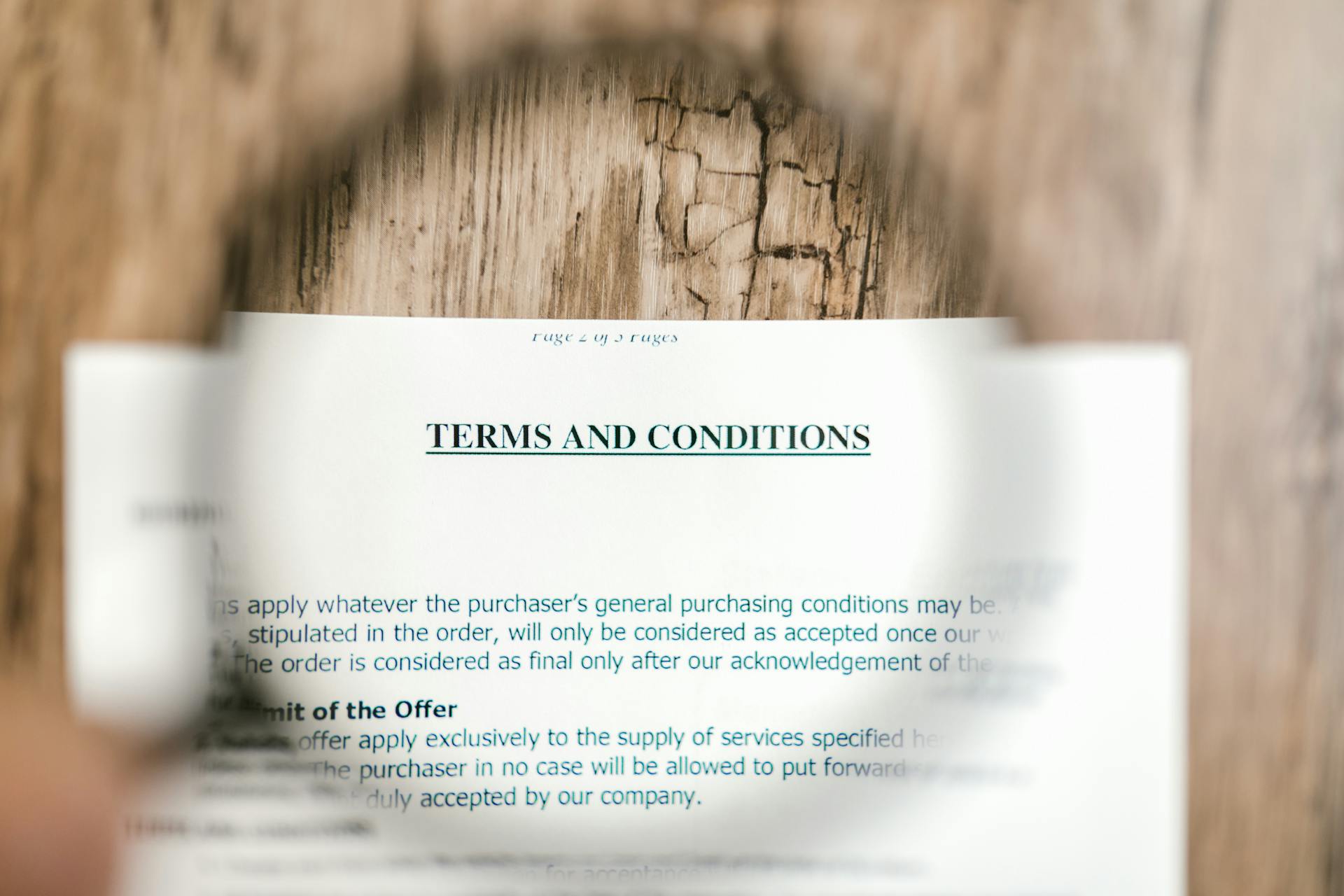
| Terms & Conditions | Establishes legal relationship | User responsibilities, intellectual property, limitations of liability, dispute resolution |
| Return/Refund Policy | Required for Shopping ads | Return window, conditions, refund process, restocking fees if any |
| Shipping Policy | Required for eCommerce | Shipping methods, delivery times, costs, international shipping details |
Contact Information Requirements
Google requires legitimate businesses to be reachable. Your website must display:
- Physical Address: A real business address (P.O. boxes may not be sufficient for all cases)
- Email Address: A functioning email that receives and responds to inquiries
- Phone Number: Optional but highly recommended—businesses with phone numbers appear more trustworthy
- Contact Form: An alternative if you prefer not to display direct email
Pro Tip: Create a dedicated “Contact Us” page and link it from both the header and footer navigation. Google’s reviewers check for this.
Technical Security Requirements
Security isn’t negotiable for eCommerce sites:
- SSL Certificate (HTTPS): Mandatory for all pages, especially checkout. Google Chrome marks HTTP sites as “Not Secure”
- Secure Checkout Process: Payment information must be transmitted securely
- Valid Domain: Your domain should be properly registered and not flagged for suspicious activity
You can verify your SSL status by checking for the padlock icon in the browser address bar. Use tools like SSL Labs for a comprehensive security test.
Part 2: Restricted and Prohibited Products
This is where beauty and health advertisers most commonly run into trouble. Google maintains strict lists of products that cannot be advertised, or can only be advertised with restrictions.
Completely Prohibited Products
You cannot advertise these products under any circumstances:
| Category | Examples | Why Prohibited |
|---|---|---|
| Recreational Drugs | Cannabis (in most regions), psychedelics, drug paraphernalia | Legal restrictions, safety concerns |
| Prescription Medications | Tretinoin, prescription-strength hydroquinone, controlled substances | Requires medical supervision |
| Unapproved Supplements | Products with banned substances, unapproved drug claims | Safety and regulatory concerns |
| Counterfeit Products | Fake designer cosmetics, replica products | Trademark violation, safety risks |
| Weapons/Dangerous Items | Not typically relevant to beauty, but includes some salon equipment | Safety concerns |
CBD and Hemp Products
This is one of the most confusing areas for beauty advertisers. Here’s the current status:
- CBD Products: Generally prohibited in Google Ads, including CBD-infused skincare, oils, and supplements
- Hemp Seed Oil: May be allowed if it contains no CBD and makes no CBD-related claims
- Topical Hemp Products: Limited acceptance in some regions with strict requirements
Important: Even if your state or country has legalized CBD, Google’s global policies typically still prohibit advertising these products.
Restricted Products (Allowed with Limitations)
These products can be advertised but face additional restrictions:
| Product Type | Restrictions | Requirements |
|---|---|---|
| OTC Medications | Limited targeting, no personalized ads | Proper licensing, approved claims only |
| Weight Loss Products | No before/after images, no unrealistic claims | Substantiated claims, appropriate disclaimers |
| Cosmetic Procedures | Updated Sept 2025 – fewer restrictions | No ads to minors, no explicit imagery |
| Health Supplements | No disease claims, limited health claims | Proper disclaimers, substantiated benefits |
Part 3: Product Claims Compliance
The language you use to describe your products can make or break your advertising campaigns. Google’s algorithms and human reviewers both scan for problematic claims.
Claims That Will Get Your Ads Disapproved
Avoid these types of claims at all costs:
1. Cure/Treatment Claims
❌ Not Allowed:
- “Cures acne permanently”
- “Eliminates wrinkles”
- “Treats eczema”
- “Heals skin conditions”
✅ Allowed:
- “Helps reduce the appearance of acne”
- “Minimizes the look of fine lines”
- “Formulated for sensitive skin”
- “Supports skin health”
2. Guarantee Claims
❌ Not Allowed:
- “100% guaranteed results”
- “Works for everyone”
- “Guaranteed to remove dark spots”
- “Results guaranteed or money back”
✅ Allowed:
- “Clinically tested formula”
- “Designed for visible results”
- “Satisfaction guarantee” (for refund policy)
- “Formulated to target dark spots”
3. Unrealistic/Exaggerated Claims
❌ Not Allowed:
- “Look 20 years younger”
- “Lose 30 pounds in 30 days”
- “Miracle anti-aging serum”
- “Revolutionary breakthrough”
✅ Allowed:
- “Targets signs of aging”
- “Supports healthy weight management”
- “Advanced skincare formula”
- “Innovative ingredients”
The “Miracle” Word Problem
Many beauty brands use “miracle” in their product names (like “Some By Mi AHA-BHA-PHA 30 Days Miracle Toner”). This is generally acceptable when it’s part of a registered brand or product name, but using “miracle” as a descriptive claim in your ad copy can trigger disapprovals.
Safe approach: Use the official product name, but avoid additional miracle claims in your descriptions.
Compliant Claims Framework
When writing product descriptions and ad copy, use this framework:
- Describe what the product does, not what it cures: “Hydrating serum” not “Cures dry skin”
- Use appearance-based language: “Reduces the appearance of…” not “Removes…”
- Reference ingredients, not outcomes: “Contains retinol” not “Eliminates wrinkles”
- Include appropriate qualifiers: “May help,” “Designed to,” “Formulated for”
- Cite clinical studies when available: “Clinically shown to improve hydration by 40%”
Part 4: Healthcare and Cosmetics Specific Policies
Google has industry-specific policies that apply to healthcare and cosmetics advertisers. Understanding these nuances is critical.
Healthcare and Medicines Policy
If your products fall under healthcare (including supplements and some skincare), you’re subject to additional requirements:
- Personalized Advertising Restrictions: Health-related products often cannot use personalized targeting based on health conditions
- Remarketing Limitations: You may not be able to remarket to users who viewed health-related products
- Geographic Restrictions: Some products can only be advertised in specific countries
- Certification Requirements: Pharmacies and pharmaceutical advertisers need Google certification
September 2025 Policy Update: Cosmetic Procedures
A significant policy change in September 2025 removed “Mature Cosmetic Procedures” from the restricted sexual content category. This means:
- Cosmetic surgery and procedures focused on intimate body parts can now be advertised
- Medical imagery (like those found in textbooks) is no longer automatically treated as prohibited
- Ads must still comply with other policies (no sexually suggestive content, no targeting minors)
This is good news for aesthetic clinics and cosmetic surgery practices, but standard compliance requirements still apply.
Supplement Advertising Guidelines
Nutritional supplements face specific restrictions:
- No Disease Claims: Cannot claim supplements prevent, treat, or cure any disease
- Structure/Function Claims Only: Can describe how ingredients support normal body functions
- Required Disclaimers: Must include “These statements have not been evaluated by the FDA…”
- Ingredient Restrictions: Certain ingredients (ephedra, DMAA, etc.) are completely prohibited
Part 5: Common Reasons for Ad Disapproval
Understanding why ads get disapproved helps you avoid these pitfalls. Here are the most common issues for beauty and health advertisers:
Top 10 Disapproval Reasons
| # | Reason | How to Fix |
|---|---|---|
| 1 | Unsubstantiated Claims | Remove guarantee language; use hedged claims |
| 2 | Missing Business Information | Add complete contact details to website |
| 3 | Prohibited Products | Remove restricted items from feed; create separate campaigns |
| 4 | Before/After Images | Remove comparative imagery; use single product shots |
| 5 | Misleading Content | Ensure ad matches landing page content exactly |
| 6 | Missing Checkout Information | Add clear pricing, shipping, and return policies |
| 7 | Healthcare Restrictions | Apply for healthcare certification if required |
| 8 | Trademark Issues | Only use brand names you’re authorized to sell |
| 9 | Adult Content | Review imagery for anything that could be flagged |
| 10 | Destination Mismatch | Ensure landing page delivers what ad promises |
How to Appeal Disapprovals
If your ad is disapproved and you believe it’s compliant:
- Review the Policy: Read the specific policy cited in the disapproval notice
- Make Required Changes: Fix any legitimate issues before appealing
- Document Your Compliance: Prepare evidence that you meet requirements
- Submit Appeal: Use the appeal link in your Google Ads account
- Be Patient: Reviews can take 1-3 business days
- Escalate if Needed: Contact Google Ads support for complex cases
Part 6: Step-by-Step Compliance Audit Process
Before launching your Google Ads campaigns, conduct this thorough self-audit:
Phase 1: Website Audit
Checklist:
- ☐ SSL certificate active (HTTPS on all pages)
- ☐ Privacy Policy page exists and is linked in footer
- ☐ Terms & Conditions page exists and is linked
- ☐ Return/Refund Policy clearly stated
- ☐ Shipping Policy with delivery times and costs
- ☐ Contact page with physical address
- ☐ Contact email or phone number visible
- ☐ Secure checkout process
- ☐ Prices displayed in local currency
- ☐ No broken links or error pages
Phase 2: Product Content Audit
For Each Product, Verify:
- ☐ No prohibited products in catalog
- ☐ No cure/treatment claims in descriptions
- ☐ No guaranteed results language
- ☐ No before/after images
- ☐ Appropriate disclaimers for supplements
- ☐ Authentic brand products only
- ☐ Accurate pricing and availability
- ☐ High-quality product images
Phase 3: Ad Creative Audit
Review All Ad Copy For:
- ☐ No exaggerated claims
- ☐ No misleading promises
- ☐ Landing page matches ad content
- ☐ Proper trademark usage
- ☐ No prohibited terminology
- ☐ Appropriate for all audiences (no adult content)
Phase 4: Google Merchant Center Setup
For Shopping Ads, ensure your Merchant Center is properly configured. If you’re running a WooCommerce store, you’ll need a Google Product Feed plugin to sync your products:
- ☐ Business information verified
- ☐ Website claimed and verified
- ☐ Product feed submitted and approved
- ☐ Tax and shipping settings configured
- ☐ Return policy linked
- ☐ No feed errors or warnings
Part 7: Tools for Self-Assessment
Several tools can help you verify compliance before spending on ads:
Free Tools
| Tool | Purpose | Link |
|---|---|---|
| Google Ads Policy Manager | Check policy status of your account | Available in Google Ads dashboard |
| Google Merchant Center Diagnostics | Identify product feed issues | Merchant Center > Diagnostics |
| SSL Labs SSL Test | Verify SSL certificate | ssllabs.com/ssltest |
| Google PageSpeed Insights | Check site speed (affects Quality Score) | pagespeed.web.dev |
| Google Search Console | Identify indexing and crawl issues | search.google.com/search-console |
Premium Tools
- Semrush Site Audit: Comprehensive technical SEO and compliance checking
- Screaming Frog: Crawl your site to find broken links and missing pages
- DataFeedWatch: Optimize and monitor your product feed
- Feedonomics: Enterprise-level feed management and compliance
Part 8: Real-World Compliance Examples
Let’s look at how established beauty eCommerce brands handle compliance:
Case Study: Successful Beauty Retailer
A major Indian beauty retailer (similar to Nykaa or Tira) demonstrates excellent compliance:
- Trust Signals: Backed by established parent company, full business address displayed
- Complete Legal Pages: Privacy Policy, Terms, Return Policy, Shipping Policy all present
- Product Claims: Uses OTC retinol products instead of prescription tretinoin
- No Restricted Products: No CBD products found in catalog
- Enterprise Security: SSL, CDN (Akamai), proper security headers
- Minor Issues: Some article content uses “cure” language that should be revised
Compliance Score: 97/100 – Ready for Google Ads with minor content adjustments
Common Mistakes from Failed Audits
Here are patterns we’ve seen in websites that fail compliance:
- Missing Contact Information: No physical address, just an email form
- Vague Return Policy: “Returns accepted” with no details on process or timeline
- Aggressive Claims: “Guaranteed to clear your acne in 7 days”
- Before/After Galleries: Transformation photos showing dramatic results
- Imported Products: Selling prescription-strength items from overseas
Part 9: Industry-Specific Considerations
Different segments within beauty and health have unique compliance requirements:
Skincare Products
- Focus on cosmetic benefits (appearance) not therapeutic claims
- Ingredient-focused messaging works well
- Avoid anti-aging claims that promise to reverse aging
- Clinical study references add credibility when available
Makeup and Cosmetics
- Generally fewer restrictions than skincare
- Focus on color accuracy in product images
- Avoid claims about skin improvement
- Trademark issues common with luxury brand reselling
Supplements and Vitamins
- Strictest compliance requirements
- Required FDA disclaimer on all pages
- No disease prevention or treatment claims
- Structure/function claims only
Hair Care Products
- Avoid “regrowth” claims for hair loss products
- Styling and appearance claims are safe
- Be careful with “repair” language—use “appears to repair”
Wellness Devices
- Medical devices require appropriate certifications
- Cosmetic devices (LED masks, etc.) have fewer restrictions
- Avoid therapeutic claims unless FDA cleared
Part 10: Setting Up Compliant Campaigns
Once your website passes the compliance audit, here’s how to structure your campaigns for success:
Campaign Structure Best Practices
- Separate by Product Category: Create distinct campaigns for skincare, makeup, supplements
- Match Intent with Ad Type: Search for high-intent, Display for awareness
- Use Shopping Campaigns: Product images often perform better than text ads
- Create Negative Keyword Lists: Exclude terms related to prohibited claims
- Set Up Conversion Tracking: Measure what matters for optimization
Budget Allocation
Based on industry benchmarks for beauty eCommerce:
- Minimum Starting Budget: $1,500-3,000/month for meaningful data
- Allocation: 60% Search, 25% Shopping, 15% Display/Remarketing
- Expected ROAS: 3-5x for established brands, lower for new entrants
Part 11: Frequently Asked Questions
Can I advertise CBD skincare on Google?
Generally no. Google’s global policy prohibits CBD advertising in most cases, regardless of local legalization. Hemp seed oil products without CBD may be acceptable.
Why was my ad disapproved for “healthcare” when I sell cosmetics?
Your product descriptions may contain claims that Google’s algorithm interprets as healthcare-related. Review your copy for treatment, cure, or therapeutic language.
Can I use before/after photos in my ads?
Before/after images are generally prohibited for weight loss and body transformation. For skincare, they’re highly scrutinized and often disapproved. Use single product images instead.
How long does it take to get approved?
Most ads are reviewed within 1 business day. Complex cases or appeals can take 3-5 business days. Account-level issues may take longer to resolve.
What happens if my account gets suspended?
Account suspension is serious. You’ll need to identify and fix all violations, then submit an appeal. Multiple suspensions can lead to permanent bans. Prevention is far easier than recovery.
Do I need special certification to advertise supplements?
Not typically, but you must comply with all healthcare advertising policies, include required disclaimers, and avoid prohibited claims. Some countries have additional requirements.
Can I advertise prescription skincare like tretinoin?
No. Prescription medications require pharmacy certification and are heavily restricted. Stick to OTC alternatives like retinol, which is widely available and advertisable.
How do I know if my products are “restricted” vs “prohibited”?
Prohibited products cannot be advertised under any circumstances. Restricted products can be advertised with limitations (geographic, targeting, or content restrictions). Check the Google Ads Policy Center for current classifications.
Part 12: Staying Compliant Long-Term
Compliance isn’t a one-time task. Here’s how to maintain it:
Regular Audit Schedule
- Weekly: Check for ad disapprovals and address immediately
- Monthly: Review Merchant Center diagnostics and fix feed issues
- Quarterly: Full compliance audit of website and product catalog
- Annually: Review policy changes and update practices
Stay Informed
- Subscribe to the Google Ads Announcements
- Follow industry blogs and forums
- Join Google Ads communities for peer support
- Consider working with a certified Google Ads partner
Document Everything
Keep records of:
- Product certifications and lab tests
- Clinical studies supporting claims
- Brand authorization letters
- Compliance audit results
- Appeal correspondence with Google
Conclusion: Your Path to Compliant, Profitable Ads
Running Google Ads for beauty and health products requires more diligence than other industries, but the rewards justify the effort. The beauty eCommerce market continues to grow, and Google Ads remains the most effective way to reach customers actively searching for your products.
Key takeaways:
- Build a compliant foundation: Complete legal pages, contact information, and security before spending on ads
- Know your products: Understand which items are prohibited, restricted, or freely advertisable
- Watch your words: Product claims are the most common compliance failure point
- Audit regularly: Compliance is ongoing, not one-time
- Stay informed: Policies change—the September 2025 cosmetic procedures update is a perfect example
Start with the compliance audit checklist in this guide. Fix any gaps. Then launch your campaigns with confidence, knowing you’ve built them on a solid, policy-compliant foundation.
The brands that take compliance seriously are the ones that build sustainable, long-term advertising programs. Shortcuts lead to disapprovals, suspensions, and wasted budgets. Do it right from the start.
Additional Resources
For more information, consult these official resources:
- Google Ads Policies – Official Documentation
- Healthcare and Medicines Policy
- Google Merchant Center Requirements
- Personalized Advertising Policy Updates (Dec 2025)
This guide was last updated in January 2025. Google Ads policies change regularly—always verify current requirements before launching campaigns.